Foundation digging is precise work. Footings have to be at the right depth, square and level, with the soil underneath undisturbed — because everything built on top inherits whatever the excavation got wrong. A footing dug too shallow, or over-dug and backfilled with loose dirt, is a problem that shows up years later as cracks and settling.
We excavate foundations for homes, shops, barns and commercial buildings across Webb County. The work starts with the plans and a walk of the lot: the footprint, the footing depths, the access for equipment, and where the spoil goes. Then you get one exact written price, and the digging starts on your schedule.
Depth matters more than most people think. Footings need to sit on solid, undisturbed ground — caliche where you can get it, properly compacted fill where you cannot. Digging too deep and backfilling is worse than digging to the right depth in the first place, because backfill never compacts as well as ground that was never disturbed. We dig to the plan, check depth as we go, and leave the bearing surface clean and ready.
Square and level are not nice-to-haves. A foundation that is out of square by an inch at the excavation becomes a framing problem, a roofing problem and a finishing problem, each one more expensive than the last. We set the corners from the survey stakes, check diagonals as we dig, and leave the excavation ready for the concrete crew to form and pour without rework.
The soil here decides the approach. Caliche cuts hard and holds a clean trench wall; clay needs care so the trench does not slump after rain. Where the water table or a hard rain threatens the excavation, we manage water on site so the footings are poured on dry, solid ground — not in a muddy hole. If the plans call for piers, grade beams or a stem wall, the excavation is shaped to match, not approximated.
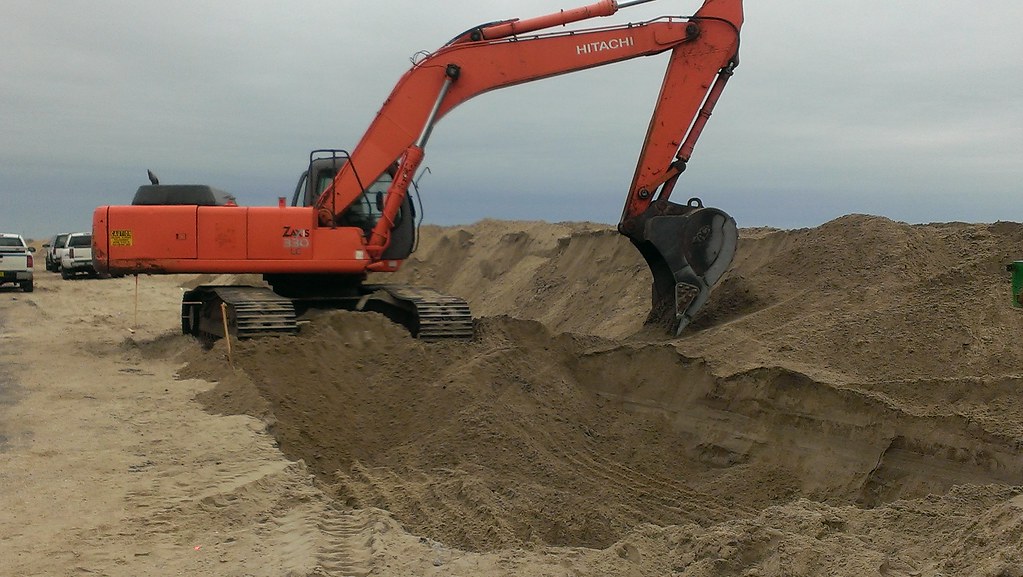
Here is what a foundation job actually looks like. We lay out the footprint from the survey stakes, strip the topsoil and organic material from the building area, then dig the footings and any piers to the depths on the plan. Spoil is stockpiled where it will not collapse back into the trench, and the excavation is left clean, square and level for inspection and the concrete crew. When we leave, the hole is ready to build in.
One honest note about cost: foundation excavation is priced by the job, not by the hour, because depth, soil and access change everything. A shallow slab footing on flat ground and a deep pier foundation on caliche are different jobs with different prices, which is why the on-site quote is free and exact. If another company gives you a number without seeing the plans and the lot, treat it as a starting bid, not a price. Our quote covers layout, digging and spoil handling, so the number you approve is the number you pay.
Coordination with the builder is half the job. We dig to the plans your builder or engineer signed off on, and we check with them before we start if anything on the lot does not match the drawing — a slope the plan did not show, a utility in the way, soil that is different from what was assumed. Digging first and asking later is how foundations end up in the wrong place. The layout is set from the survey stakes, the corners are checked by diagonal, and the excavation is left ready for inspection before the concrete crew arrives, so the pour is not waiting on a fix.
Water is the enemy of a foundation excavation, and Laredo rain does not give much warning. A footing trench that fills with water overnight softens the bearing surface and turns solid ground into mud — and pouring concrete into a wet trench is a mistake that cannot be undone. We watch the forecast, keep the excavation drained while it is open, and pump it out before the pour if a storm catches us. On clay ground we are especially careful: a trench wall that slumps after rain has to be cleaned back to solid ground, not just filled in, because loose material under a footing settles.
After the pour, the job is not quite done. Backfill around a new foundation has to go in carefully — in layers, compacted, with clean material against the wall, not rock and caliche chunks that damage waterproofing and settle into a ditch around the house. We backfill to the grade the plans call for, slope the ground away from the walls, and leave the site clean for the next trade. A foundation dug right, poured on solid ground and backfilled properly is the part of the house nobody ever thinks about again — which is exactly the point.
What's Included
- Footings dug to plan depth on undisturbed ground
- Corners set from survey stakes, diagonals checked
- Piers, grade beams and stem walls shaped to spec
- Spoil stockpiled clear of the excavation
- Excavation left clean, square and level for inspection